It’s Calving Season
We found five new ranch calves yesterday, with more on the way. Unfortunately, Shelby found one by itself with no sign of the mother.
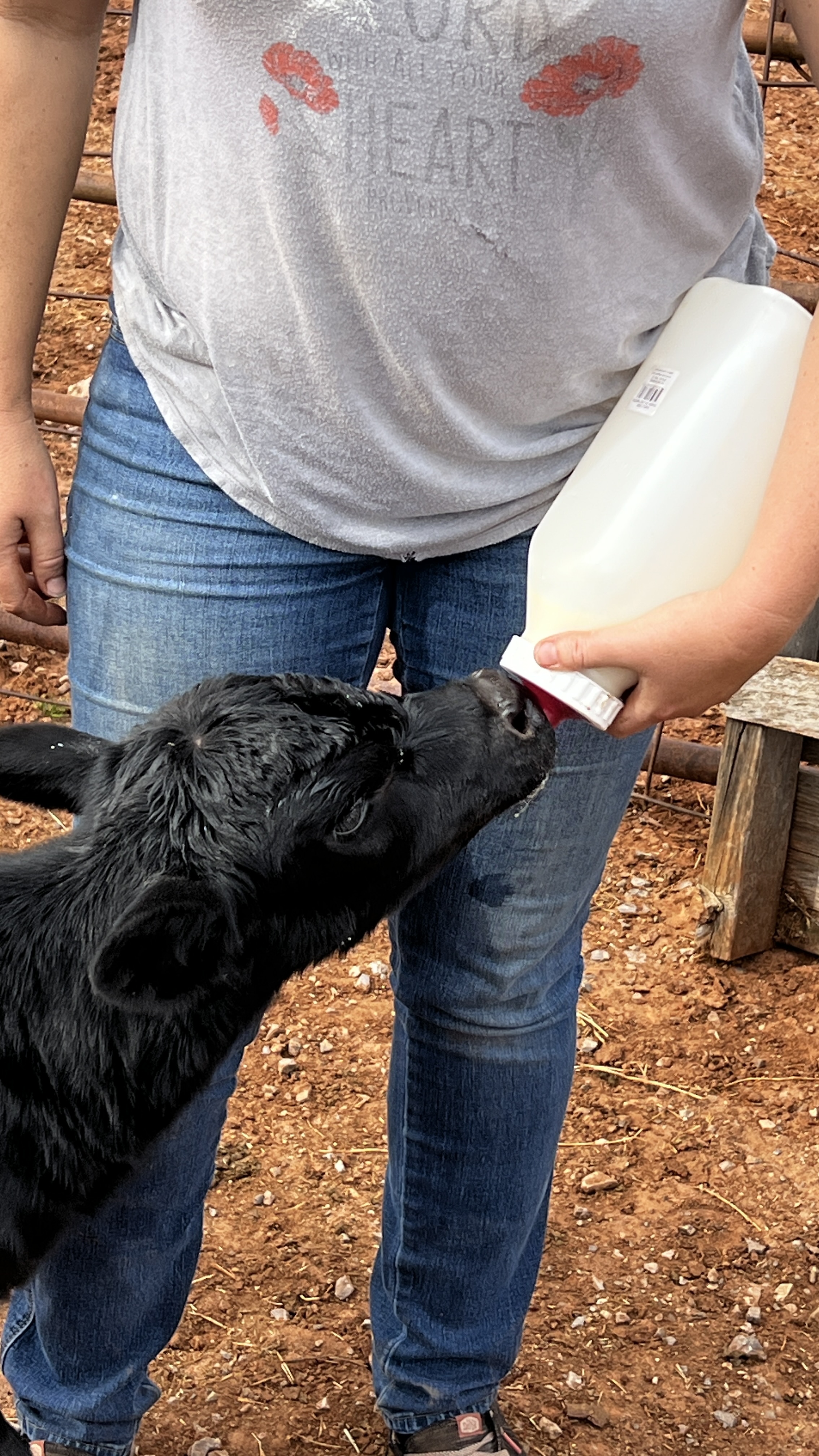
We’re not sure what happened, but there are three likely possibilities: it’s a new mother who doesn’t know what to do, a mother who had twins and is only feeding one of them, or something happened where the mother is unable to care for her calf.
As Julie put it for the first two options, “either a first-time mama who went “huh that was a very big poop” or one of twins where mama went “no, my baby’s right here, I dunno whose that is.”
For the third option, Julie and I spent several hours in the Kandi out looking for any sign of a cow in distress, but we were unable to find anything.
We’re not sure when it was born, but it was definitely within the last 24 hours. Shelby immediately started feeding colostrum to the calf, trying to get those crucial supplements and antibodies in during the first few hours of life.
Colostrum, or first milk, is packed with nutrients and antibodies crucial for a newborn calf’s survival. Unlike humans, calves don’t receive disease protection through the placenta, so they rely entirely on colostrum to build their immune system. Time is critical—within the first 24 hours, their digestive system can absorb these antibodies directly into the bloodstream. After that, the gut changes, and the antibodies can no longer be absorbed intact, reducing their effectiveness. While they still provide some protection in the intestines, the best defense comes from early intake.
Shelby is very experienced with newborn calves and feeding colostrum replacement, so we’re confident that the baby will be just fine.
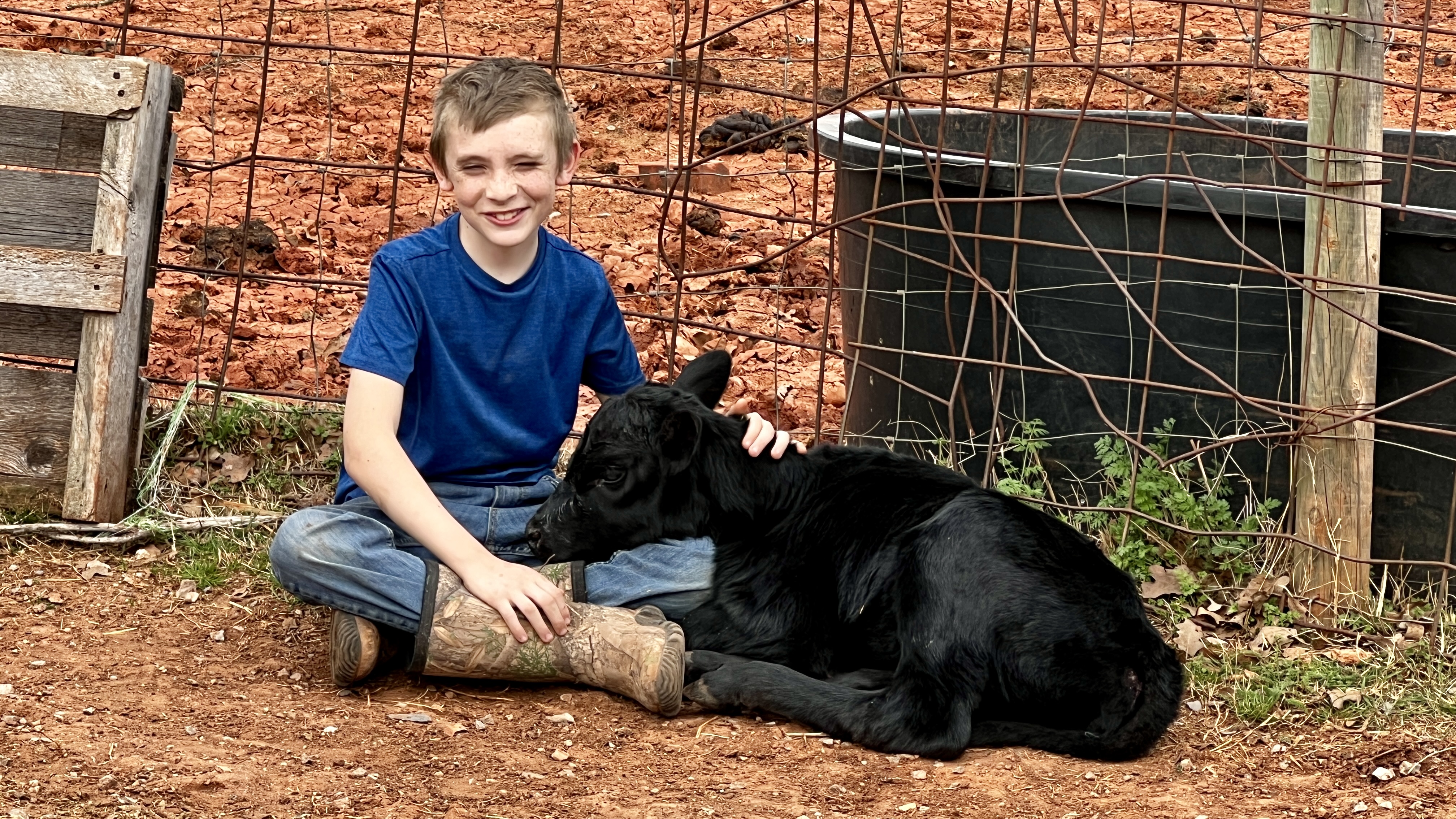
Logan, Shelby’s son, was very happy to sit with the calf after feeding and stroke its neck to promote blood flow, normally done by the mother licking the calf.
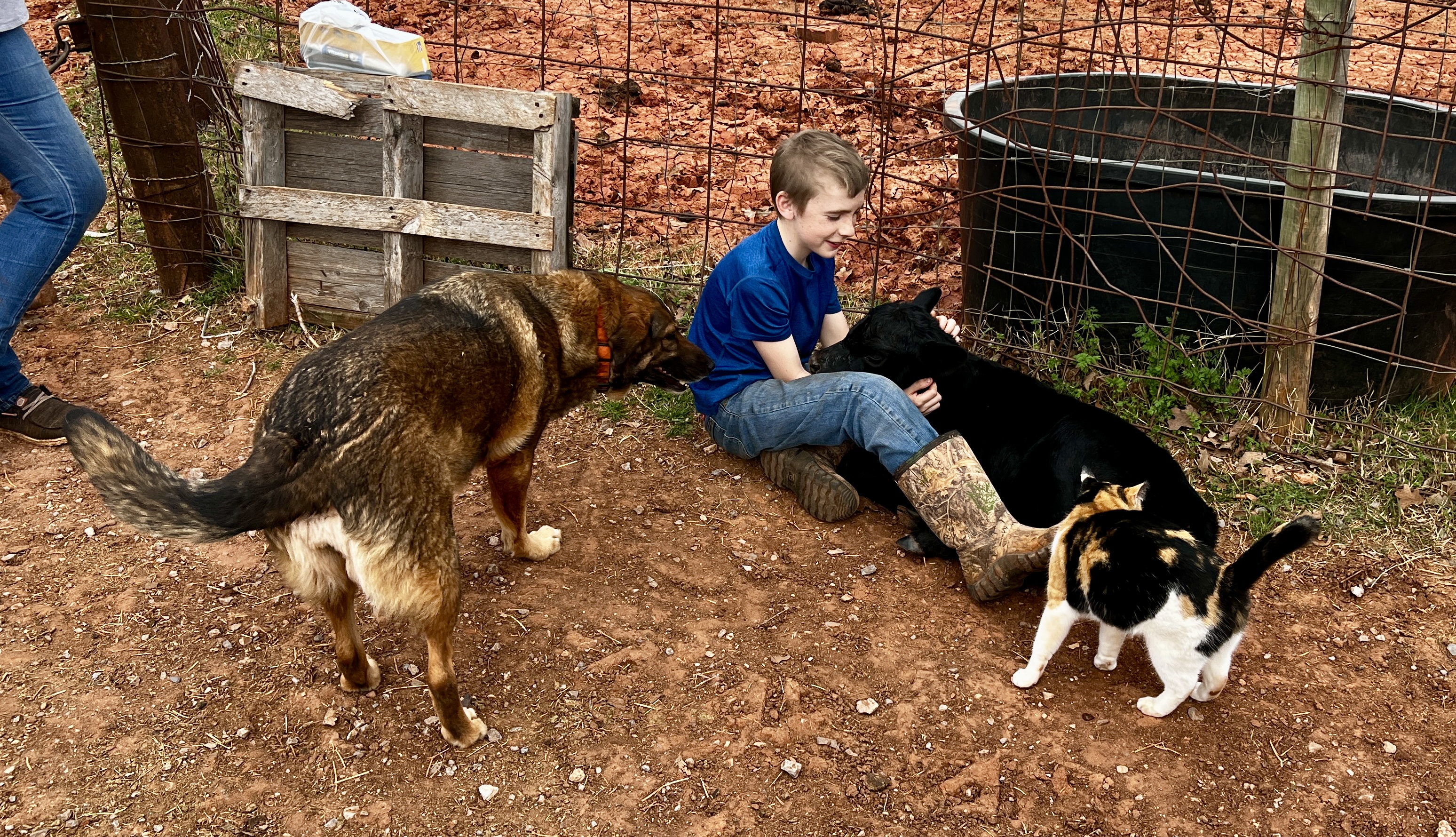
Other ranch residents were curious as well.
The coolest thing I learned today from Bugsy, Lucy’s two week old calf: calves can get the zoomies. Just like my cats race around at full speed, usually at bedtime, calves can run full speed around the barn, kicking their heels and bleating happily. It’s so much fun to watch.
An Abundance of Milk
Lucy, Shelby’s dairy cow, produces an incredible amount of milk—so much that she even considered buying a bottle-fed calf just to help use some of it. With the arrival of this new baby, that problem should be solved—only time will tell. There will still be plenty of milk for us, Shelby, Bugsy (Lucy’s calf) and the new girl. We still have gallons of milk in our refrigerator, and Julie is battling a serious case of milker’s cramp! It takes more effort than it looks.
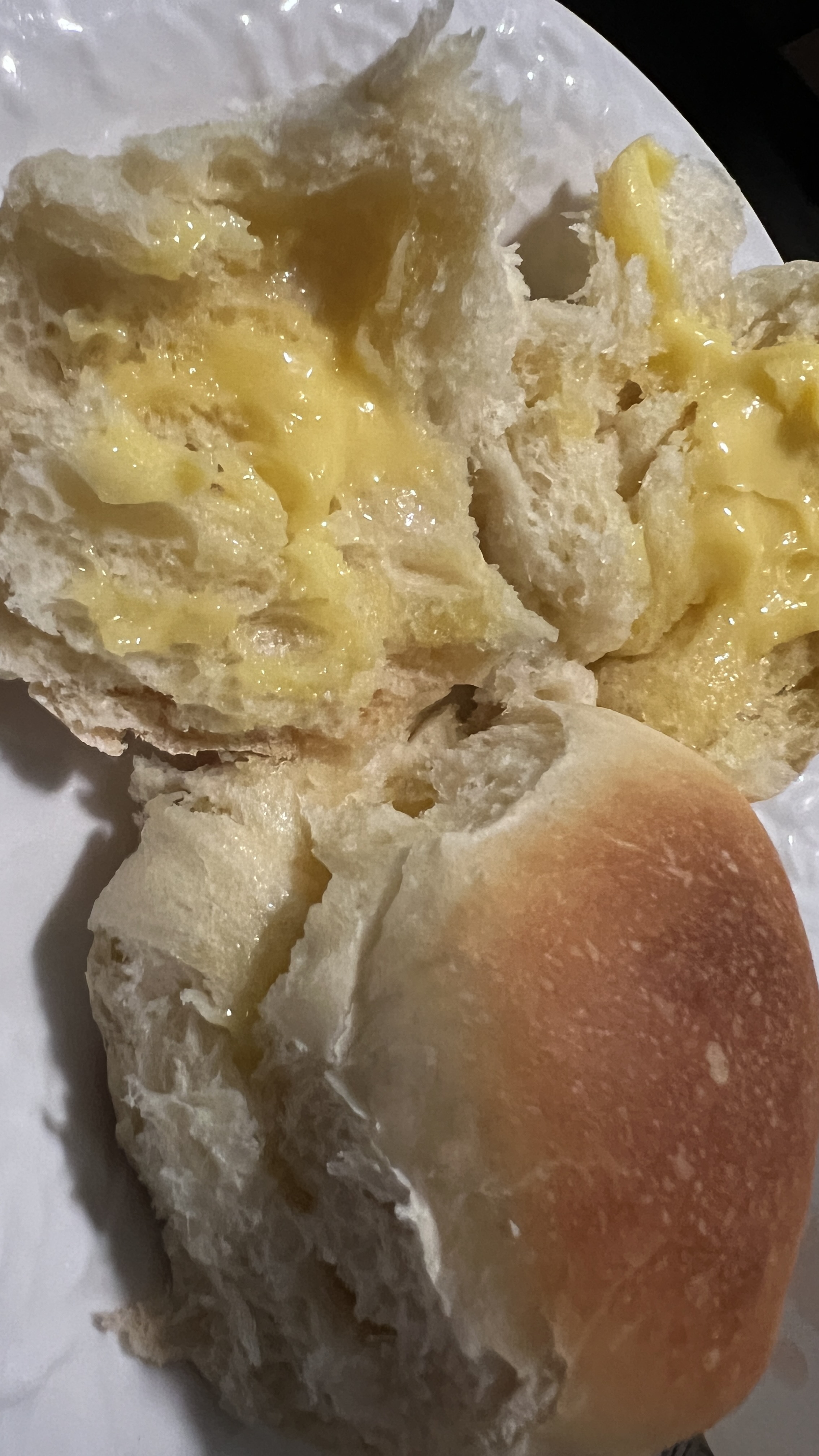
Last night, I used some of that fresh milk to make dinner rolls—the same milk that was still in a cow that morning! Julie made some fresh butter to go with them. With a KitchenAid mixer, it’s loads easier to make butter than with an old-style butter churn.
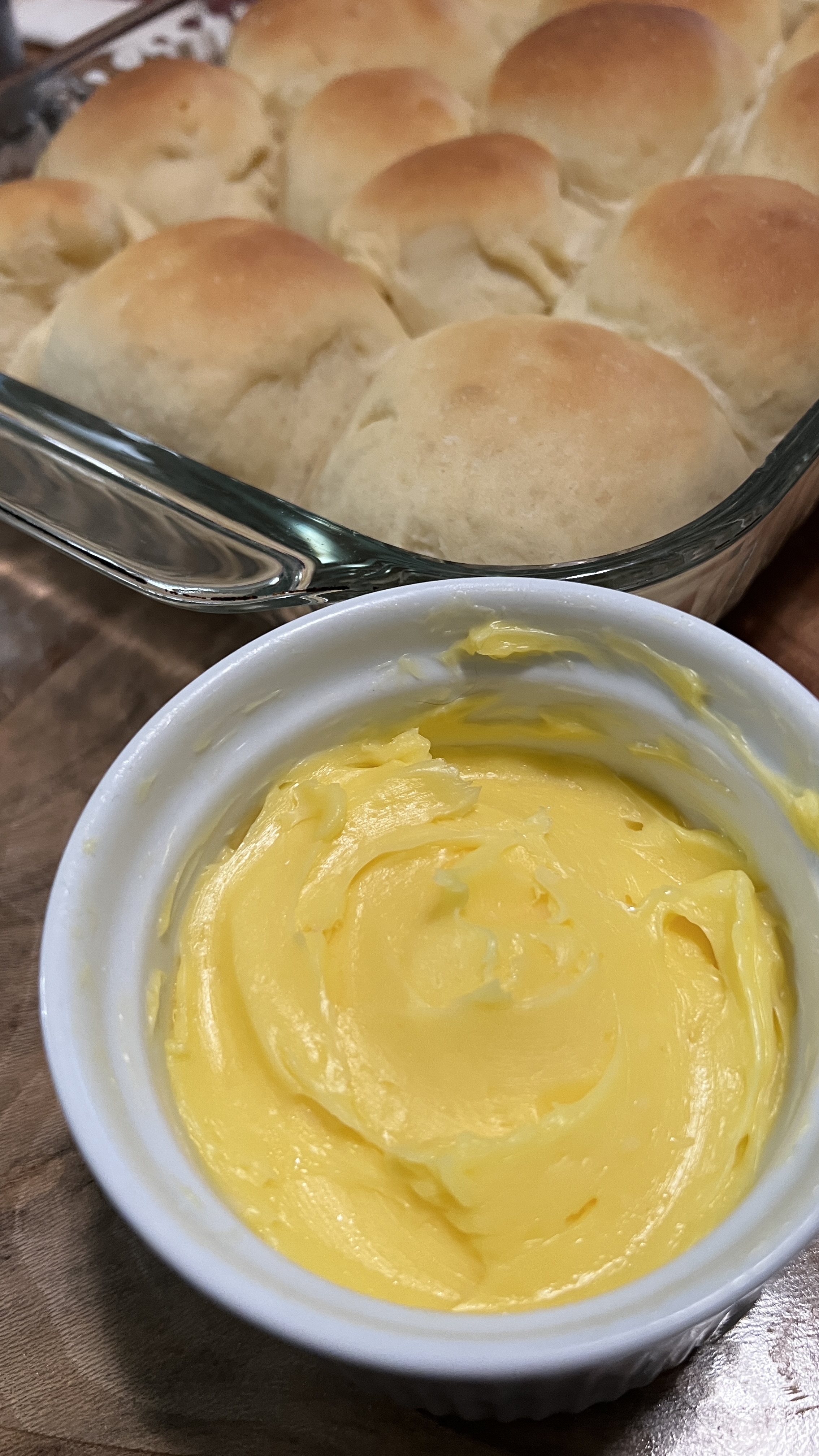
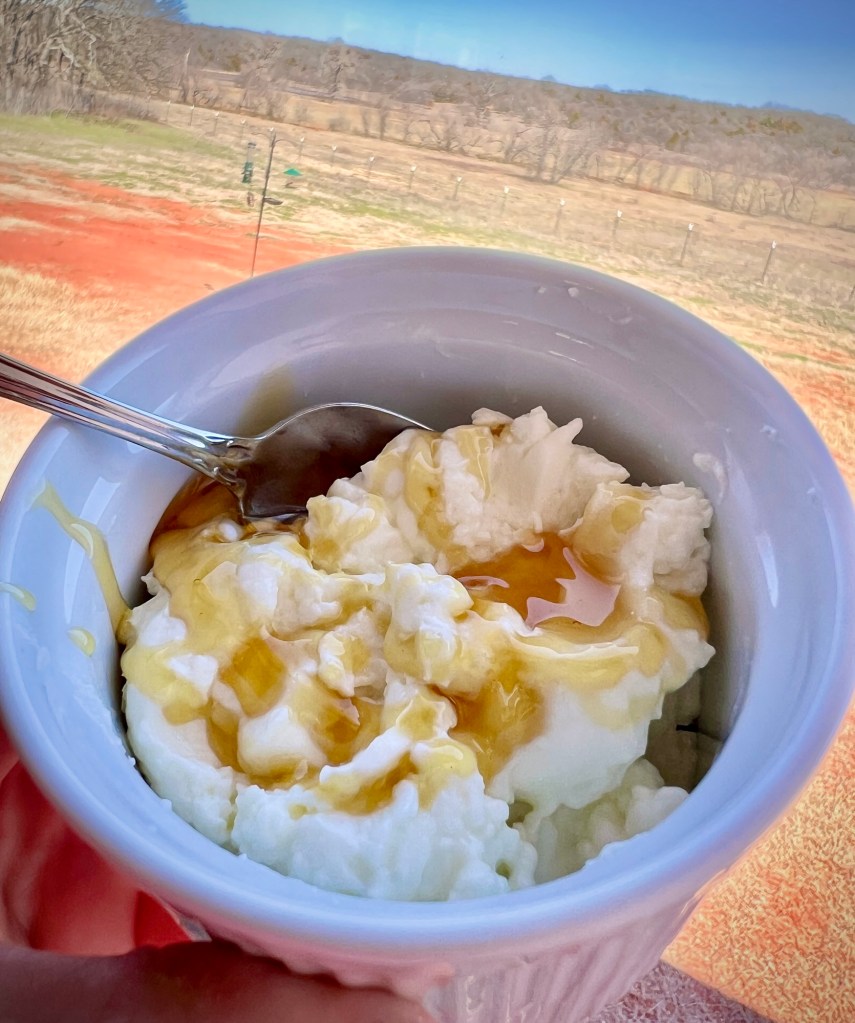
We still have lots of whole milk, cream, and yogurt (it’s amazing with honey harvested from the ranch) and plan to make ice cream soon.
Roadrunner
I spent my early years in West Texas, so it was not uncommon to see roadrunners, at least once we got out of urban areas. I was a big fan of the roadrunner cartoons, so it’s always exciting to see one. Once I moved out of Texas, it was many years before I saw one again.
Throughout the 20th century the range has slowly expanded north and eastward, extending to the western edge of Louisiana and the surrounding areas of Oklahoma. We see them every couple of weeks here at the ranch, although we rarely get a chance to study them and observe their behavior.
Yesterday, in our wonderfully quiet Kandi UTV, we were able to get fairly close and watch one feeding.
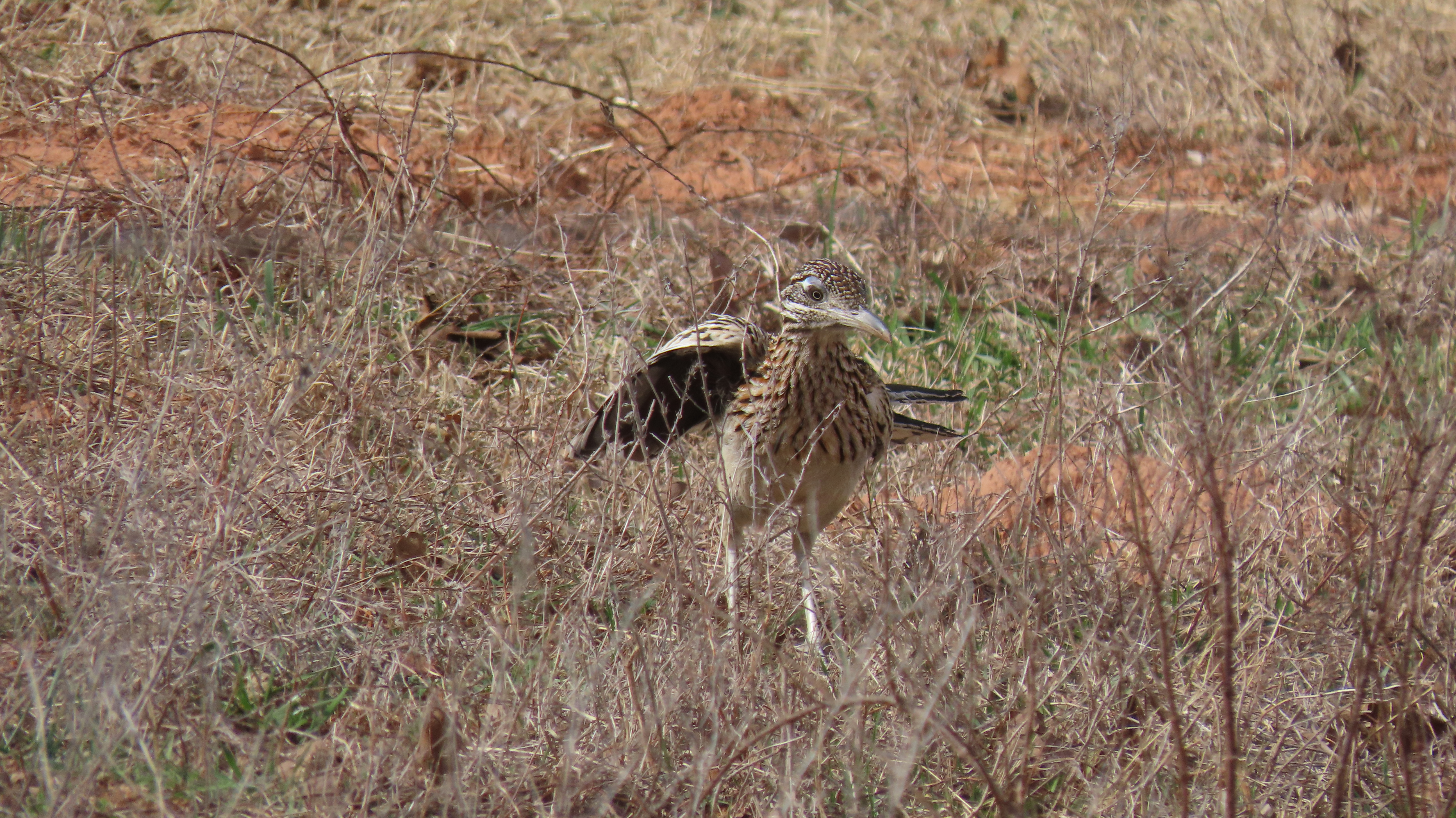
Notice it’s got one wing partially open—I think this was just timing with the camera; it was very quickly and periodically flashing both wings and fanning its tail. We watched this for quite some time, and used our standard three prompts for a nature observation.
I notice:
The roadrunner, of course. But what was it doing? It alternated between a slow walk and running through the field, stopping to look around. It would quickly flash its wings and raise its tail.
It reminds me of:
The first thing I thought of was how an ostrich would use outstretched wings as either a defensive or a courtship display. Another thought was how shorebirds sometimes use their wings as umbrellas in shallow water to attract small fish.
I wonder:
Why was it doing this? We didn’t see any other roadrunners nearby, which probably rules out a courtship display, although a female could be hiding nearby. But, did we even know this was a male? Not all birds are sexually dimorphic (different appearance between male and female), and sure enough, after some later research, we discovered that roadrunners are sexually monomorphic. Probably no way to sex this specimen without a physical examination.
Could it be defensive? We had no indication that it knew we were there, and it did not appear to be directing the display towards anything in particular.
Is it a feeding behavior? This seems like the likeliest choice. Maybe it’s trying to flush prey?
Once we got back to the house, we logged onto Birds of the World, a database by Cornell Lab of Ornithology with comprehensive life histories for all bird species and families. This is how foraging is described for this species:
Forages by alternating bouts of walking or running with periods of standing. Uses pause in forward movement to scan visually for prey. Also, may flush and capture prey while moving, particularly in taller grass. Frequently flashes white spots visible on open wings to startle or flush prey; juvenile roadrunners observed wing-flashing at age 35 days.
Here’s a short video we took while we were watching. I like the end, where I’m pretty sure it finally noticed us and “noped” out of there.
Other Ranch Scenes
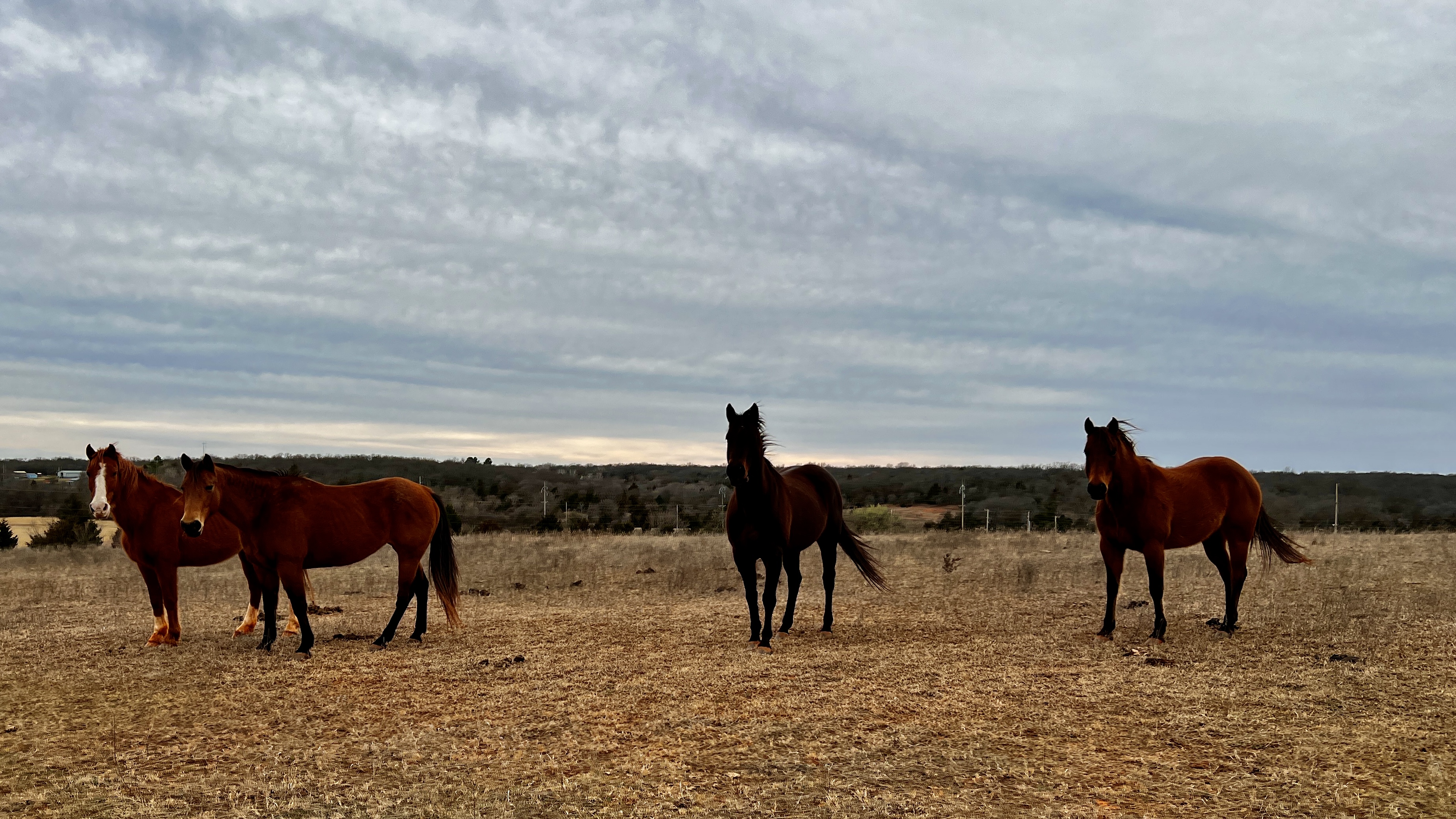
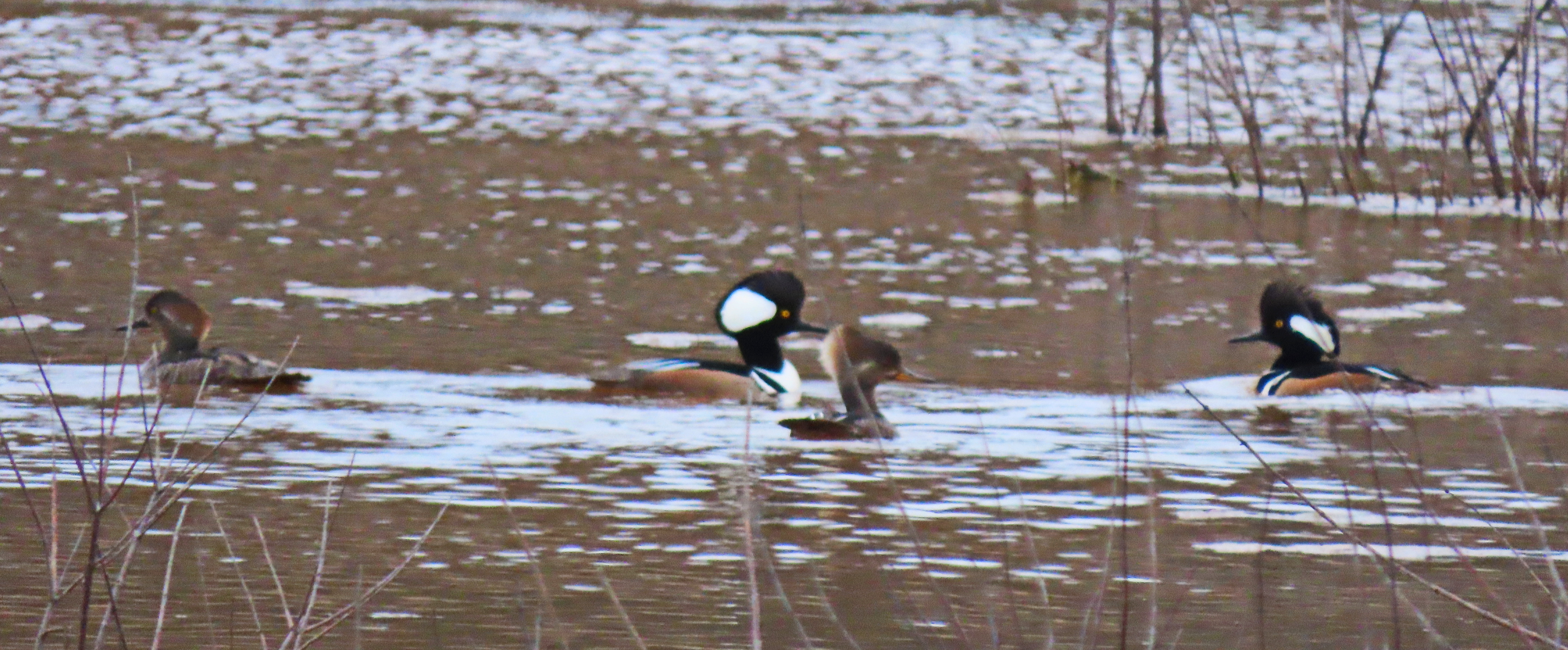
Here are a couple of images we took while we were out driving around the ranch.
Final Notes
Enjoy these posts? If you typically see them on Facebook, you might not always get our updates—thanks to the ever-changing algorithm. That’s why subscribing is the best way to stay connected! No spam, no ads, no data selling—just a simple email when I share something new. Join us and never miss an update!
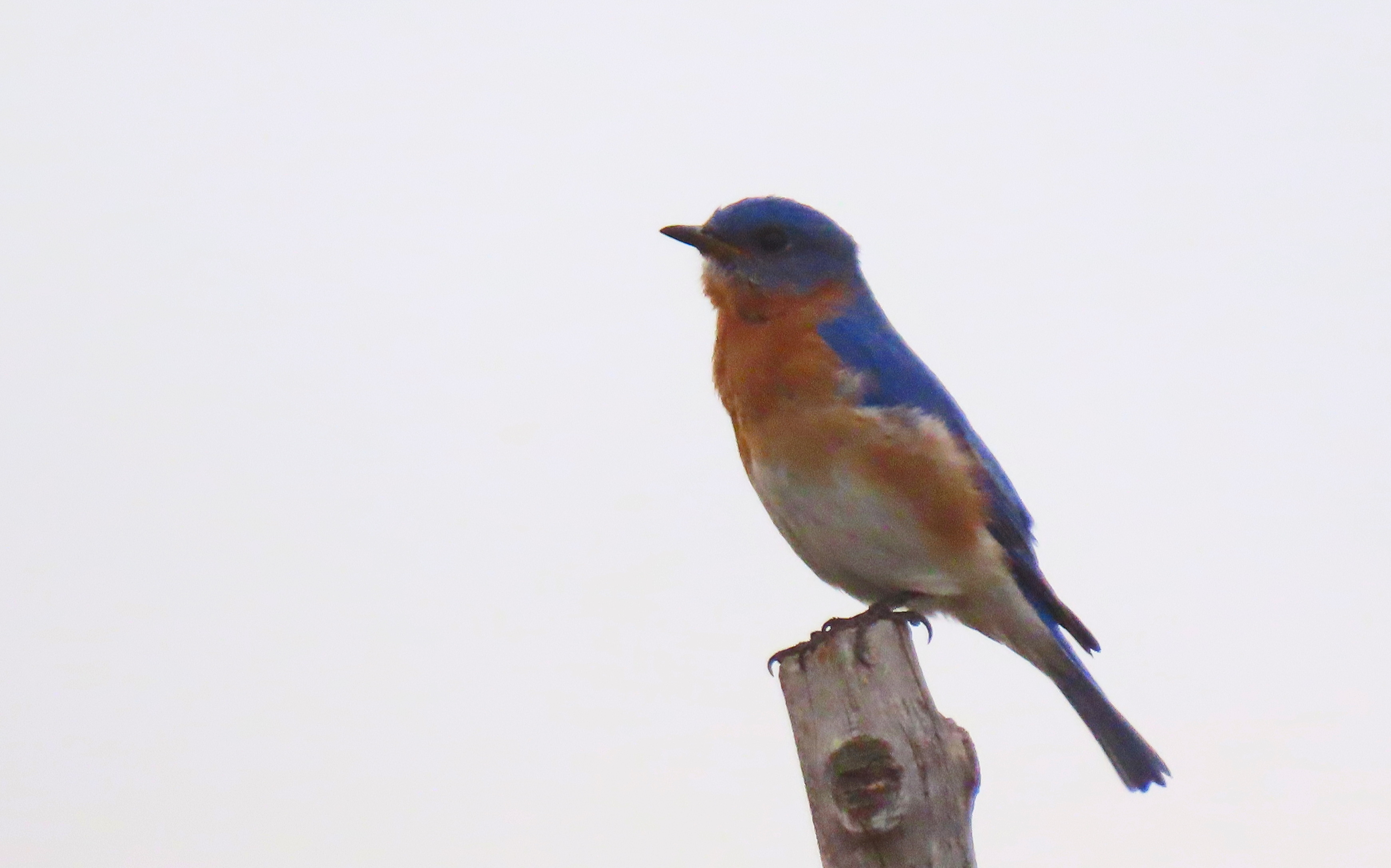
We love our life here, and I hope this little glimpse of ranch life brings you some joy today—like a bluebird of happiness.
 Ranch Naturalists
Leave a comment